
Black Luxury, A Harlem Renaissance Story
Written by Suzanne Barry
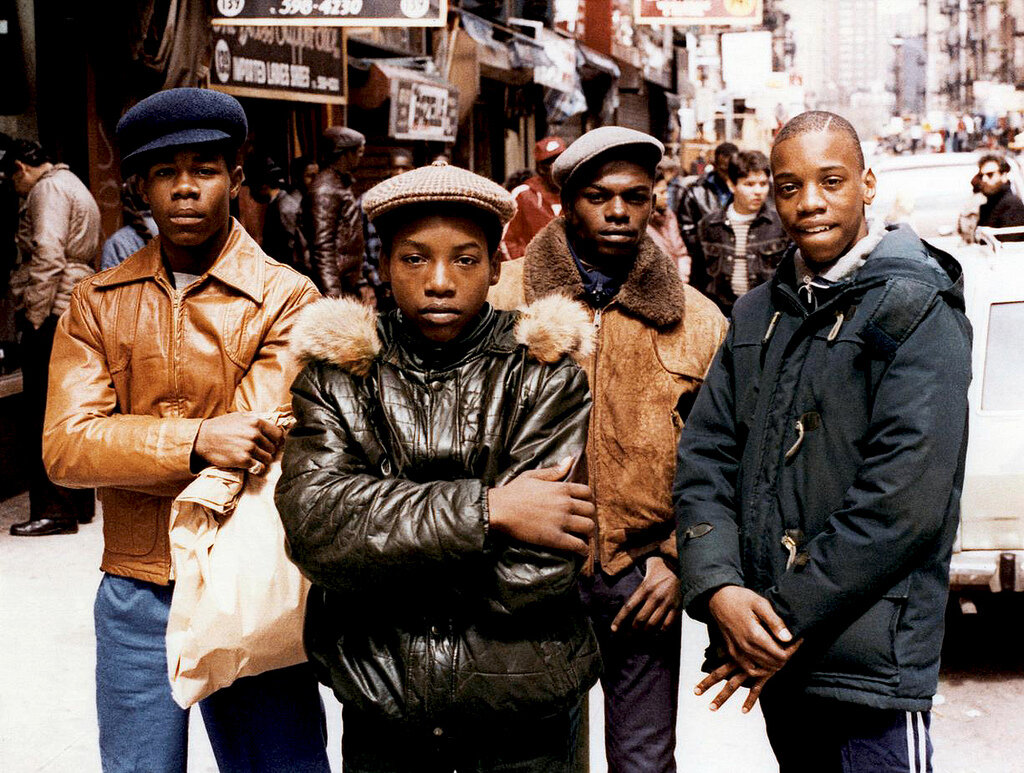
The year 2020 marks a century since the beginning of the Harlem Renaissance of the 1920s. While this year is already proving to be a bonfire of history-making world news all on its own; from the death of Basketball Legend Kobe Bryant to the worldwide and unprecedented Coronavirus pandemic, the creative immortalization of Harlem’s alluring drip remains a worldwide movement birthed over the centennial period.
“It’s really in you, not on you,” says Ian Connor, Curator of Creative Agency, AWGE. This sentence describes what is known as the Harlem DNA.
Modern-day - Harlem’s culture-rich and innovative vigor has long been imprinted into the etches of time and space, transcending generations and cultural borders. Harlem is also the birthplace of many notable musicians and style Icons known in today’s world of fashion and entertainment. Names like Dapper Dan and A$AP Mob, now household names belonging to two very different sides of time, will go down in history for generations to come as fashion revolutionaries respectively. Known for their style fusion of high-end fashion and street culture. While the influence of more modern-day erected brands like VLONE are, in their own right, distinct staples; true to the culture of Harlem’s DNA sequence and continue to bridge the gap between Black street culture and high-end fashion.
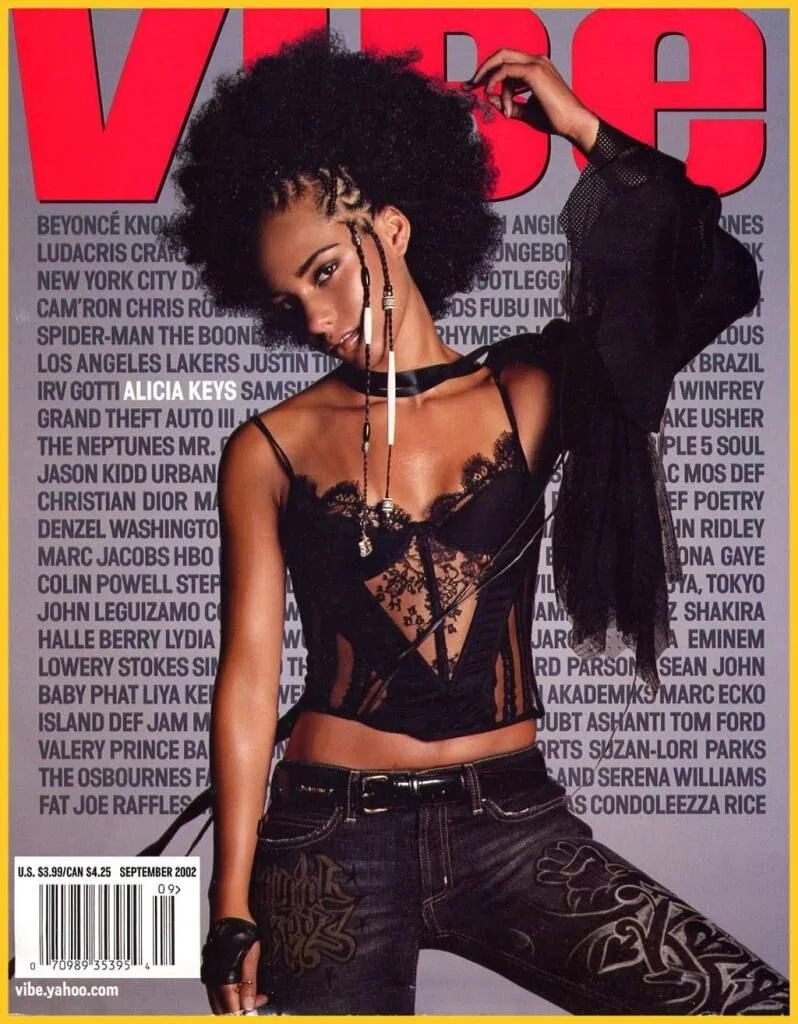
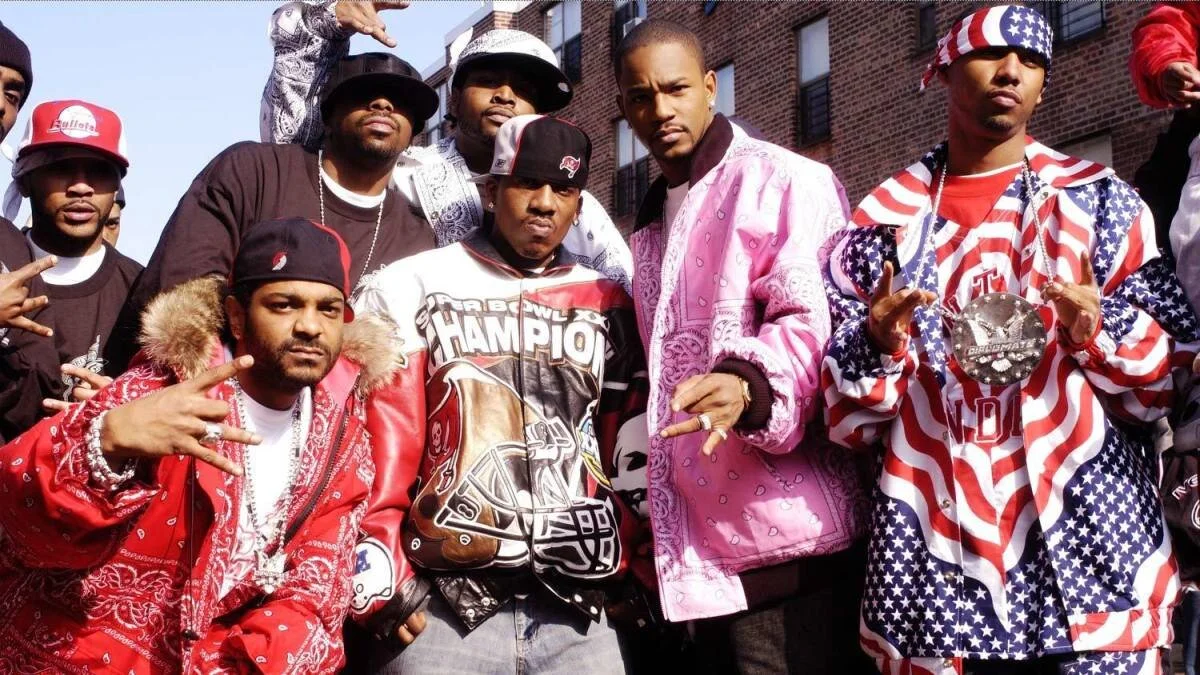
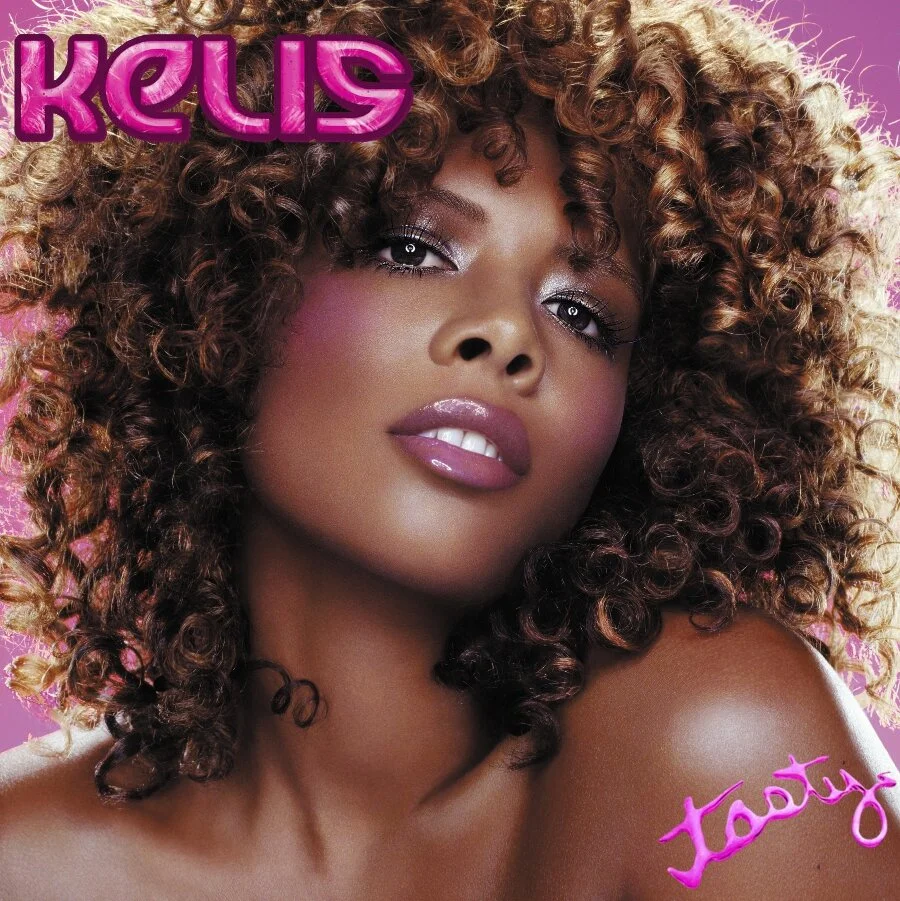
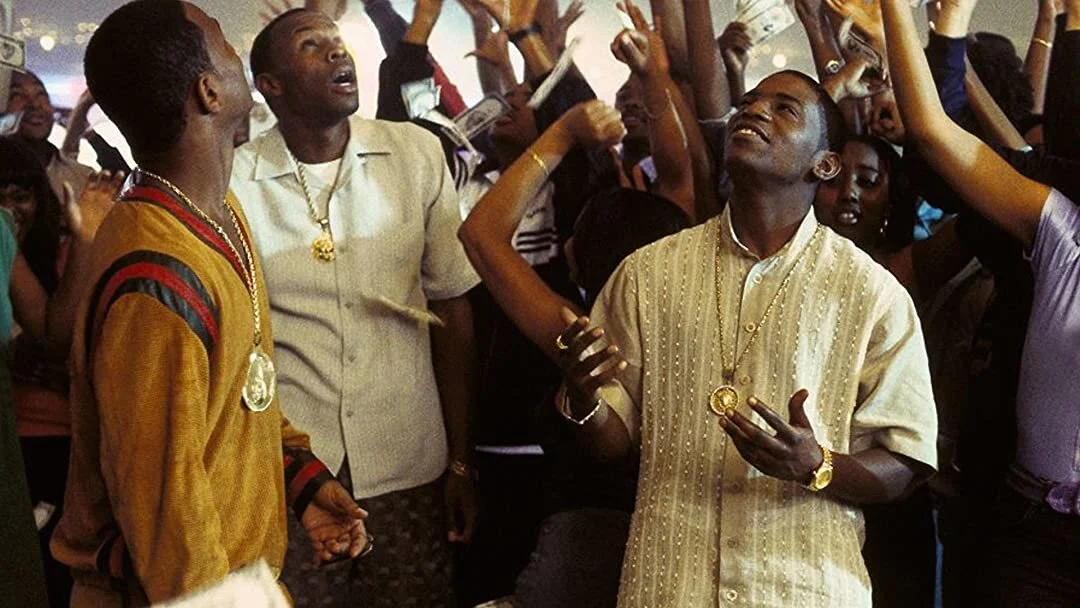
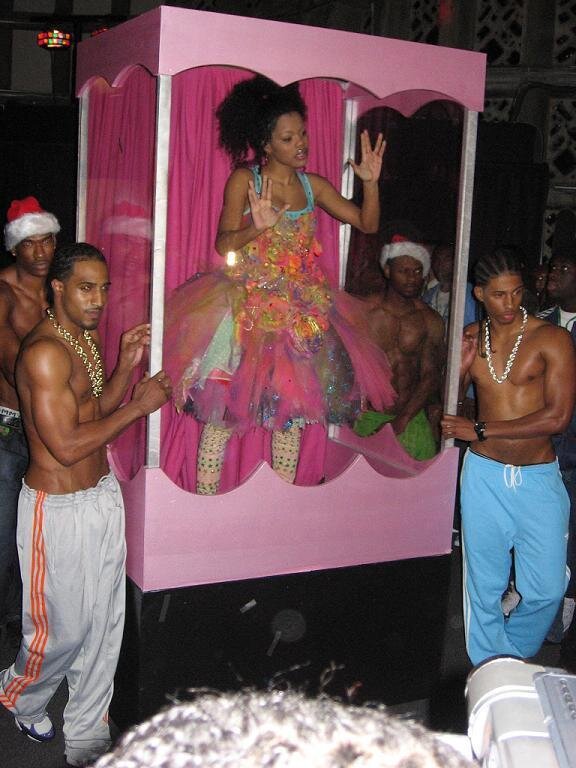
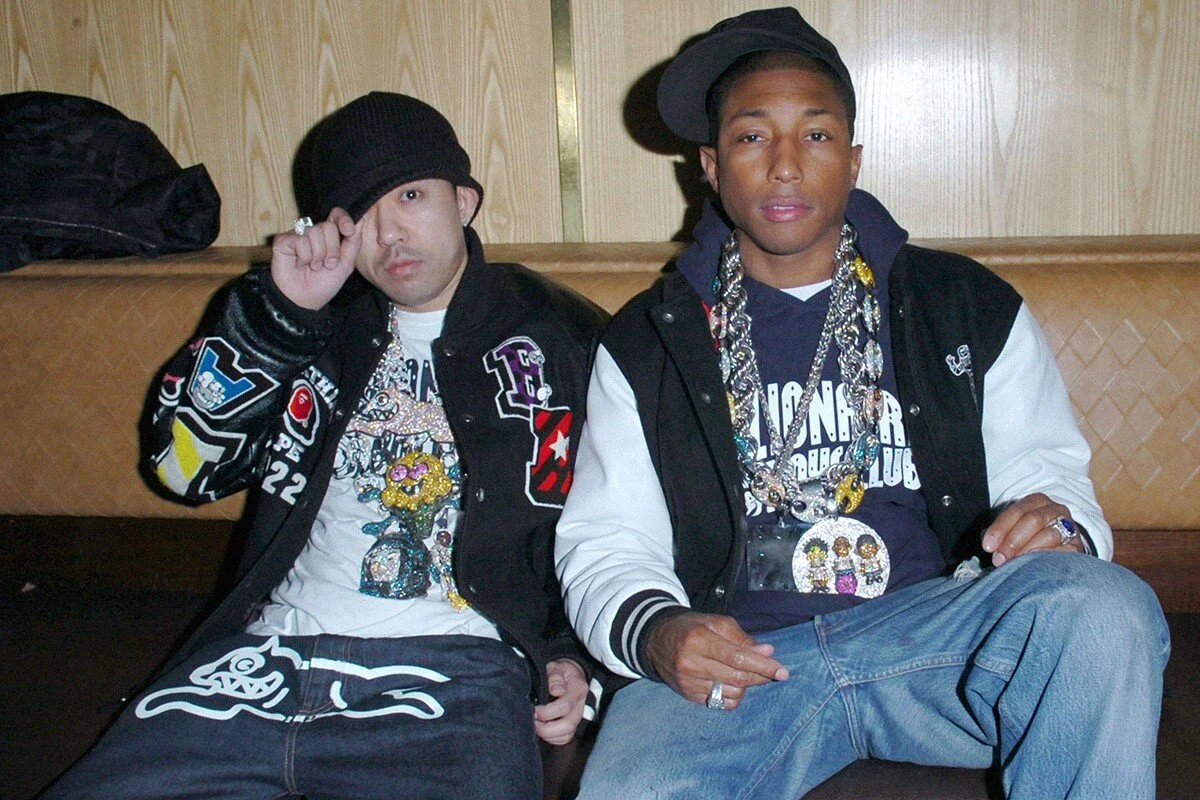
Taking it back - At just 1.4 square miles, in the borough of Manhattan, in the late ’90s throughout the early 2000s, Harlem’s influence grew through depiction in fashion, films, and music. The Diplomats (Dipset) featuring rap icons Cam’ron, Juelz Santanna, Jim Jones, Freaky Zeeky and J.R. Writer, the dream-like life of hustlers AZ Faison, Rich Porter, and Alpo Martinez depicted in the movie “Paid in Full”, Now Superstar, then aspiring, songstress and dancer Teyana Taylor’s famous Sweet Sixteen Party, Basketball games at Rucker Park, Mega Star and super style heroine Kelis’ milkshake, the intoxicating melody of Alicia Keys, and of course the imprints of Japanese Harajuku culture ushering in Bathing Ape, which led to Ice Cream Sneakers and Billionaire Boys Club created and made popular by Pharrell Williams (not a native New Yorker), was and is till this day a Harlem-boy-style relic. The inhabitants of Harlem were idolized, Skater and Neighborhood kids alike were branded with the infamous “hustler” label that is now widely attributed to New York natives as a whole, but Harlem is still different. This culture eruption and rebellious period was human expression as an art form and has kept Harlem relevant into the present day.
Via Dance Harlem Renaissance
The Birthplace of a cultural revolution - Since the 1920s, the beginning of Harlem’s true Renaissance-era society has looked to Harlem for fashion. What you wore could tell a person about who you were and your status in society. The Harlem Renaissance has etched itself into history because it was a period of dramatic change in, the expression of fashion and style that was offbeat with previous eras. Most notably characterized by shorter knee-length dresses and cloche (velvet, horsehair, satin, or felt) hats that allowed women to hide their hair so they could behave like men; smoking, drinking, and freely having sex. Women were often seen wearing men’s clothing.
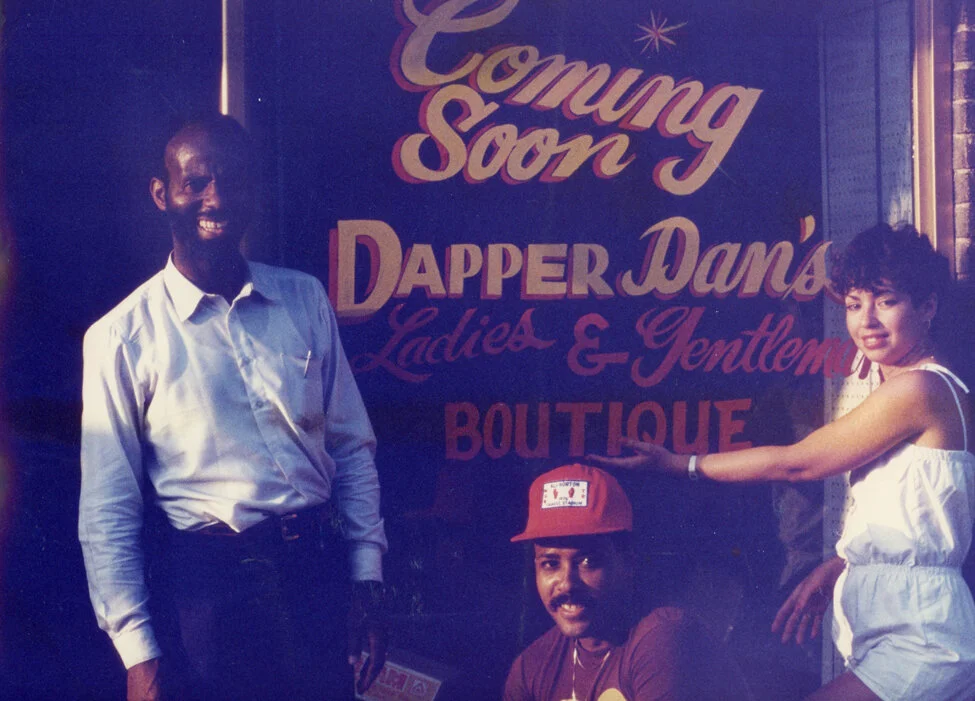
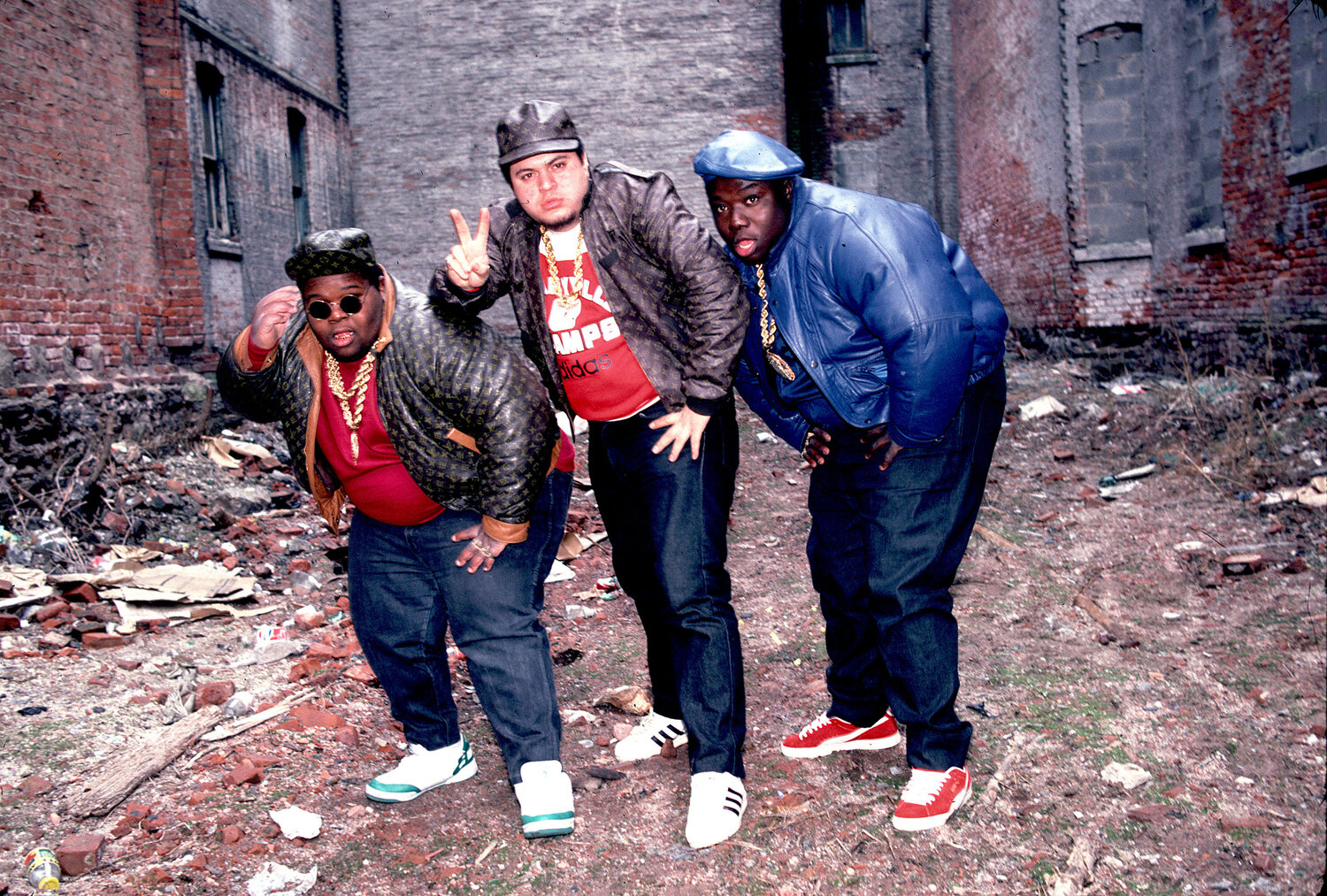
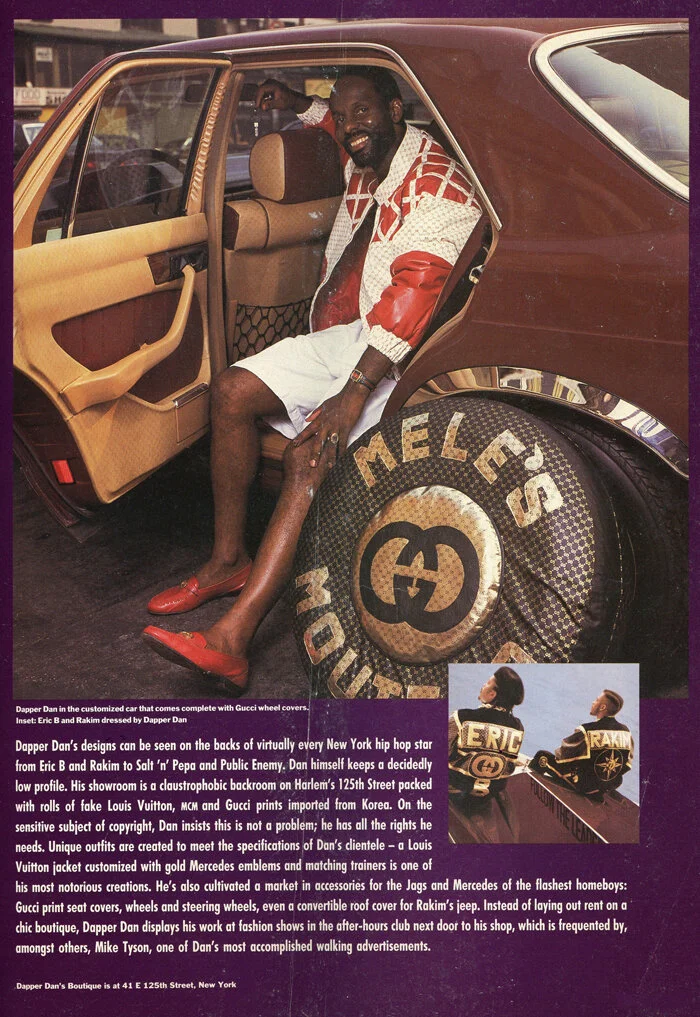
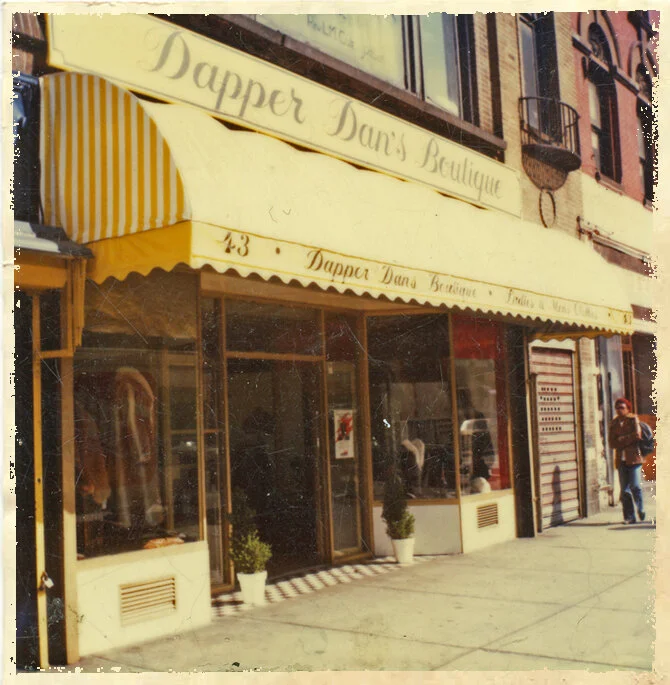
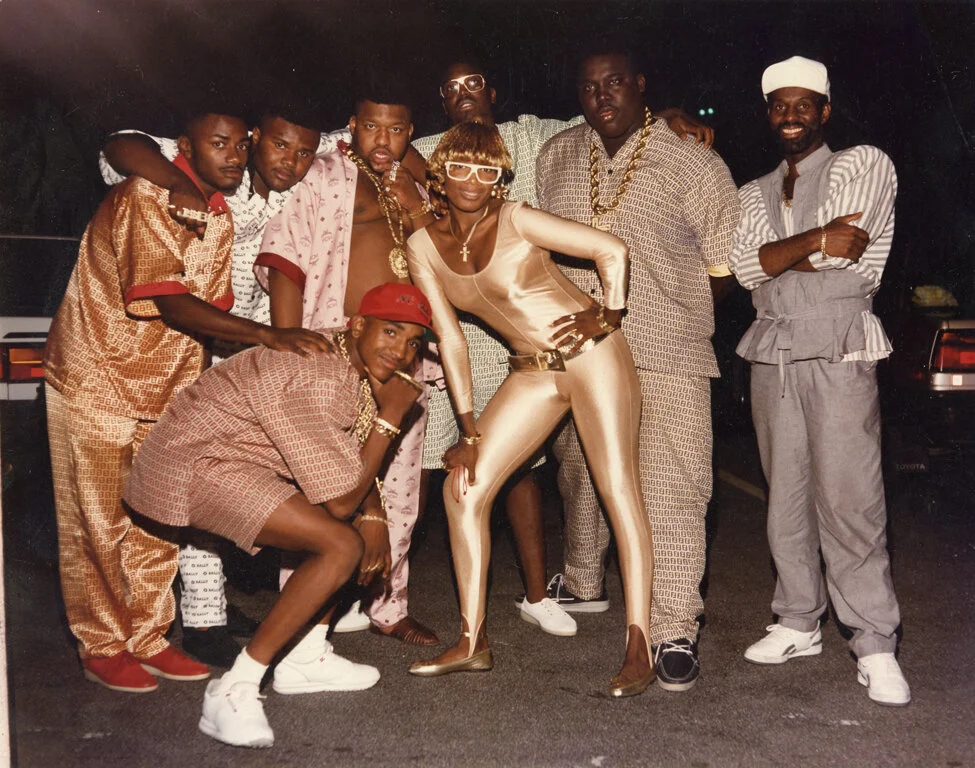
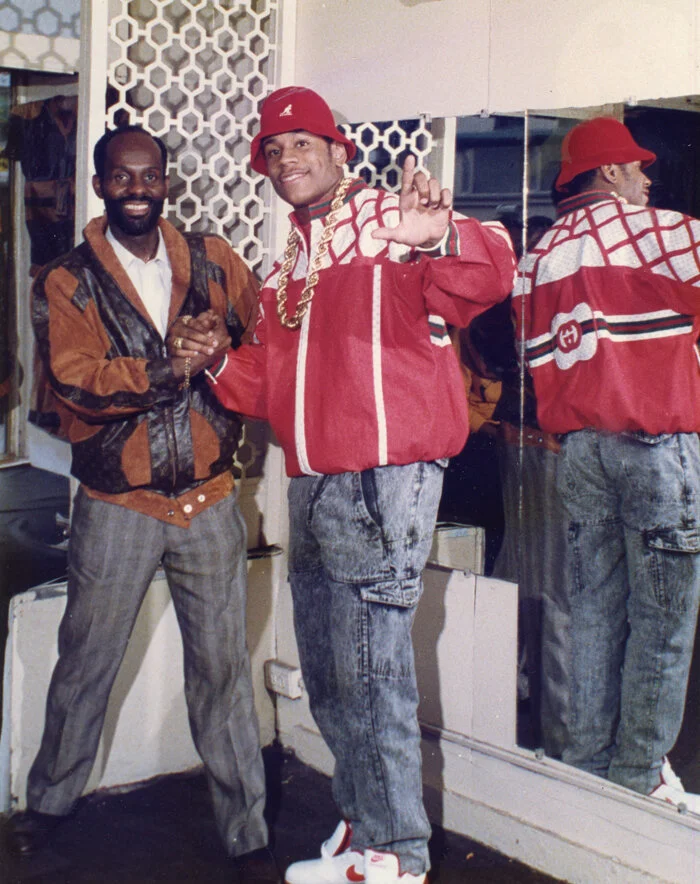
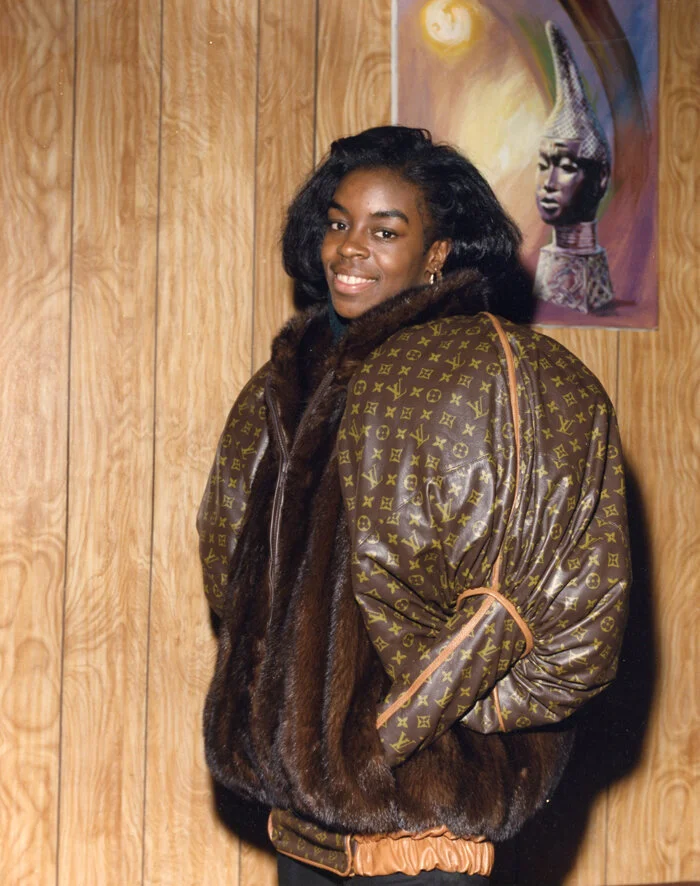
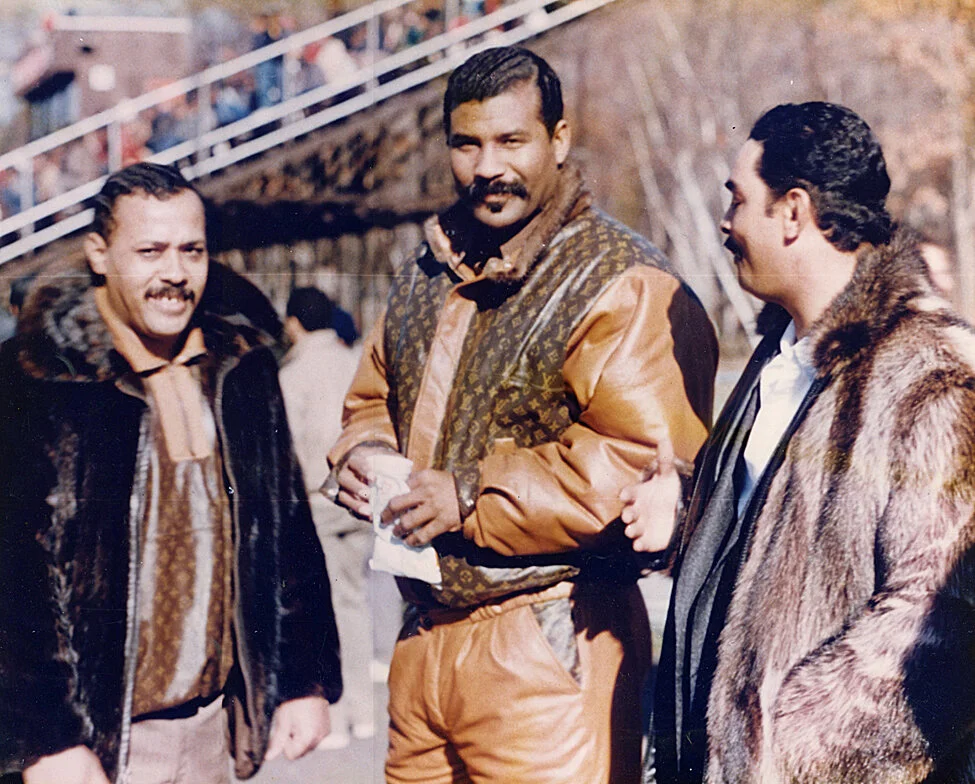
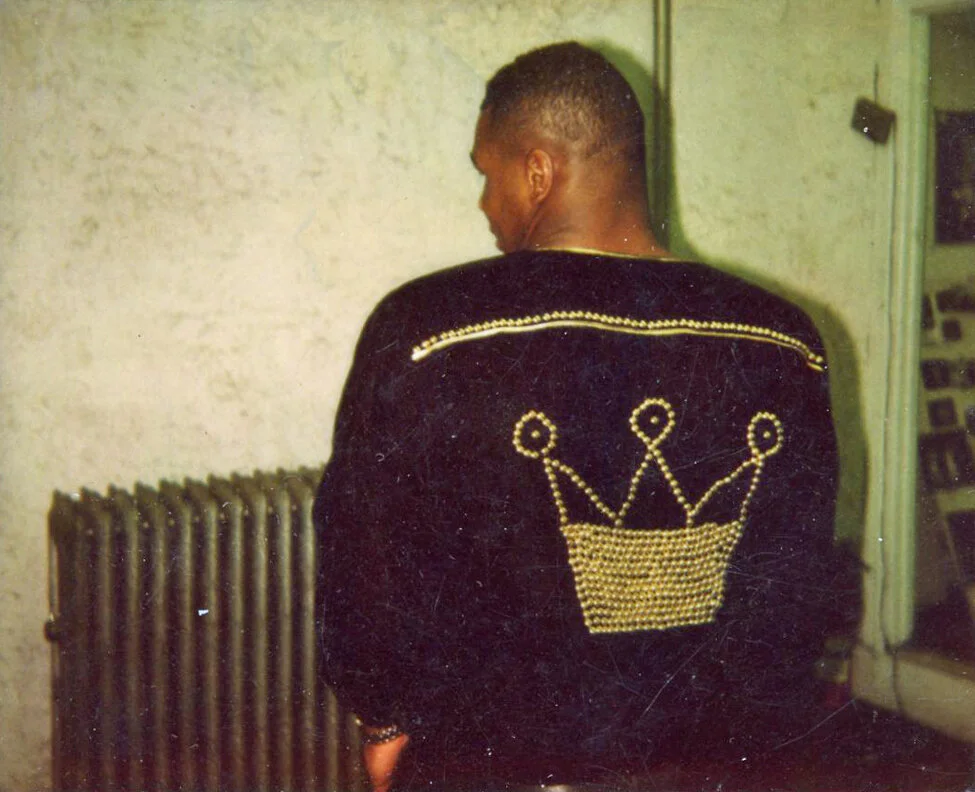
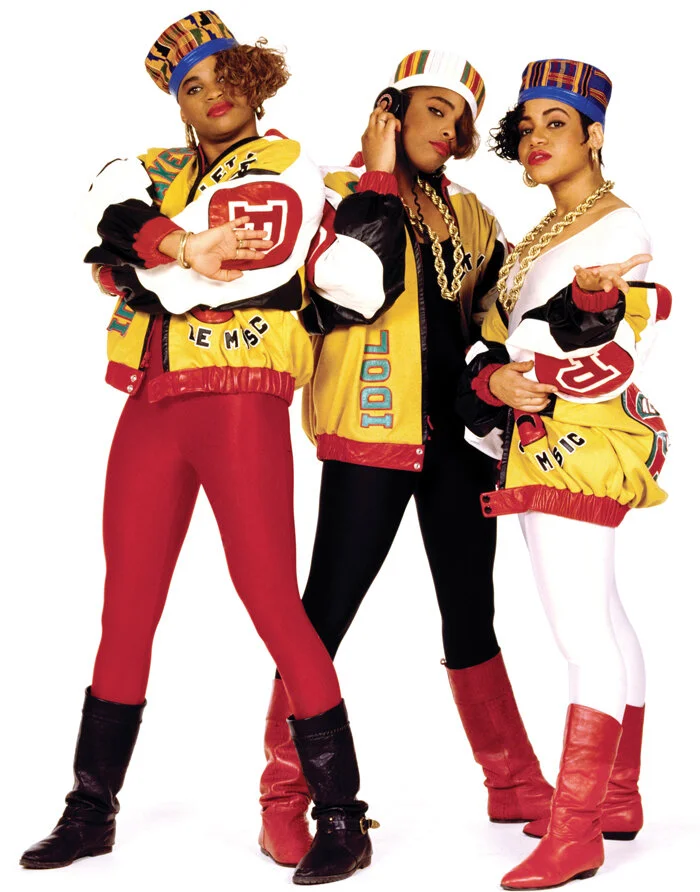
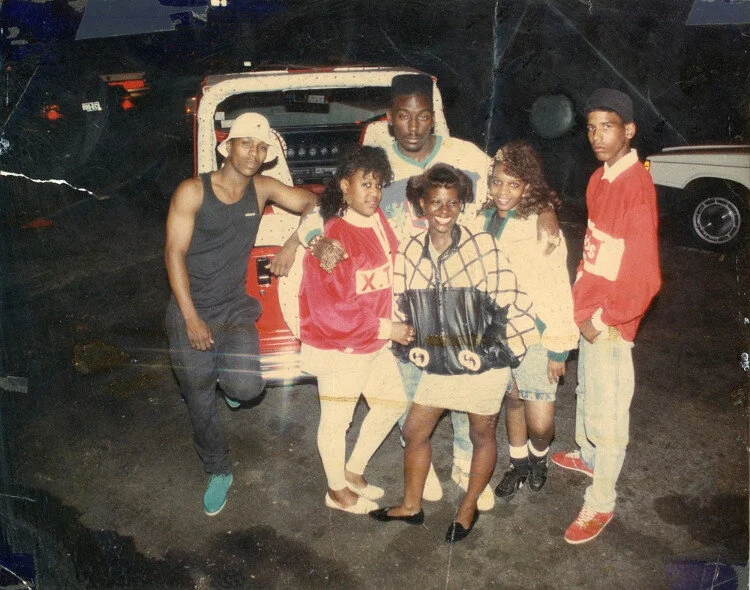
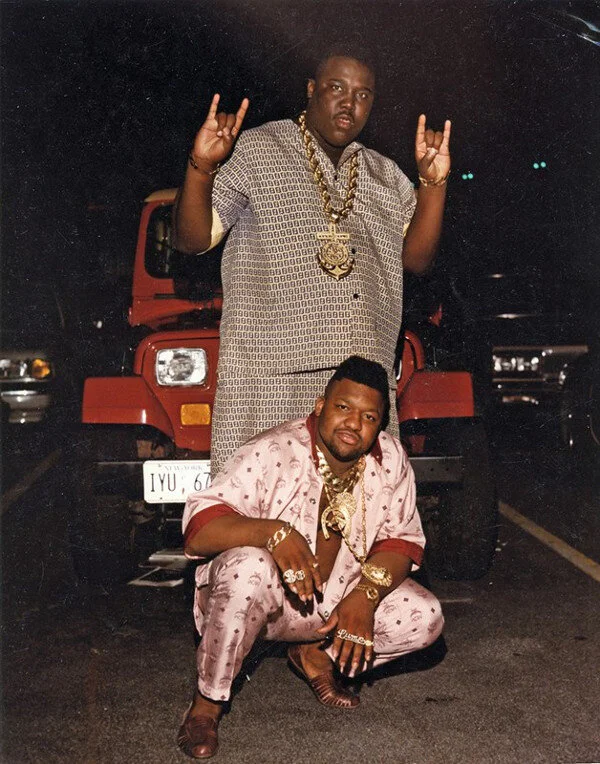
Re-defining the Culture - Fast track to 1982 on 125th street between Madison and Fifth Avenue. A man was radically reinventing street culture by the name of Daniel Day. Famously known as Dapper Dan, known then, as an American designer and haberdasher. Day began by selling boosted items out of the trunk of his car. He was cited as the connoisseur of high-end fashion to the hip-hop world as we know it and soon-after opened the Dapper Dan boutique.
Day found it challenging for him to buy textiles and furs due to racial discrimination and being from Harlem. His clientele boasted the cream of the crop of hustlers, street artists, and rappers such as LL Cool J, Eric B., Rakim, Mike Tyson, Floyd Mayweather, Salt-N-Peppa, and Jay-Z. Fittingly, Day’s designs were a perfect blend of streetwear and luxury designed custom by Dapper Dan. Coined “knock-ups”, Day used bootlegged fabrics with Gucci, Louis Vuitton, and Fendi prints that he made himself after learning self-taught textile printing.
By 1992, after ten years The Dapper Dan boutique met what looked like its final fate. Legal action was taken by Fendi and former U.S. Attorney and current Supreme Court Justice, Sonia Sotomayor when his designs began to garner media attention. Although the boutique was shut down, the process he invented for screen printing onto leather, as well as the patchy, flashy garment presentation, inspired many designer collections in the years that followed.
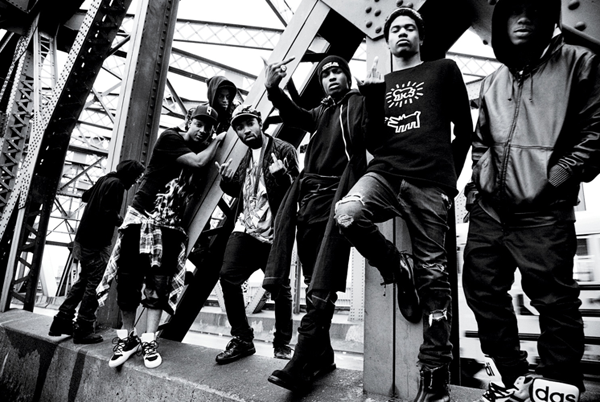
Forward Movement. - In 2006 the world marveled when it caught sight of a group of stylish, artistic, skinny jean-wearing, black-skinned men who involved themselves in a variety of creative mediums and distinguished themselves in the way that they dressed: A$AP Mob. A$AP, an acronym for Always Strive and Prosper, did everything opposite of what was considered Harlem-centric at the time. Started by Steven Rodriguez popularly known as A$AP Yams, and fellow New York natives A$AP Bari, A$AP Kham, and A$AP Illz. The members, also including A$AP Nast, A$AP Ferg, A$AP TyY, all of whom are Harlem natives, and A$AP Ant wore high-end fashion brands that were not yet apart of street culture and fitted clothing; both of which they were antagonized for consistently. Although not the founder of the group, Rakim Mayers (A$AP Rocky) who joined much later, quickly became the face of A$AP Mob when his two breakout singles went viral and showcased the Mob’s aesthetic and values.
Via GIPHY.com
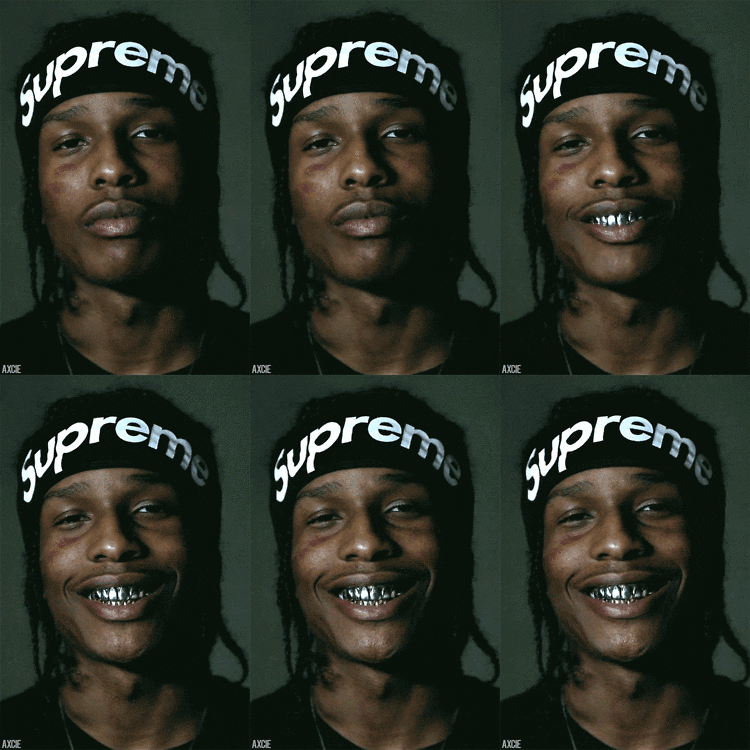
In the “Peso” music video Rocky is seen wearing gold chains and rings and dripped in BLVCK SCVLE snapbacks and tees. When he opened his mouth, he flashed the camera with perfectly polished gold teeth. He wore Raf Simons and Jeremy Scott sneakers along with a Supreme cheetah print towel, an up-grade of the popular street-boy-style accessory. The scene: on a popular corner of Harlem in front of a deli rolling dice with a 40 oz. None of these components made sense nor were they compatible. However, for the first time these unparalleled worlds were able to live in the same space pleasantly on viewers’ screens. A$AP Rocky and his fellow Mob members roamed the streets of Harlem comfortably, and their authenticity sparked curiosity in the world of music and fashion and further propelled them into worldwide fame. Watching the video again nine years later, it brilliantly captures the shift in fashion that Harlem would experience by juxtaposing the youthful Mob in a town where the O.G.s wore baggy jeans, oversized white tees, Basketball jerseys and durags.
In his second viral music video for “Purple Swag” Rocky wore variations of high-end brands once again and this time featured a white girl with a mouth full of gold which destroyed the stigma of race and what it meant to have “swag”, which Google defines as: a bold self-assurance of style or manner. Rocky’s attention and powerful style influence made him the perfect candidate to be the face of Dior Homme in 2016.
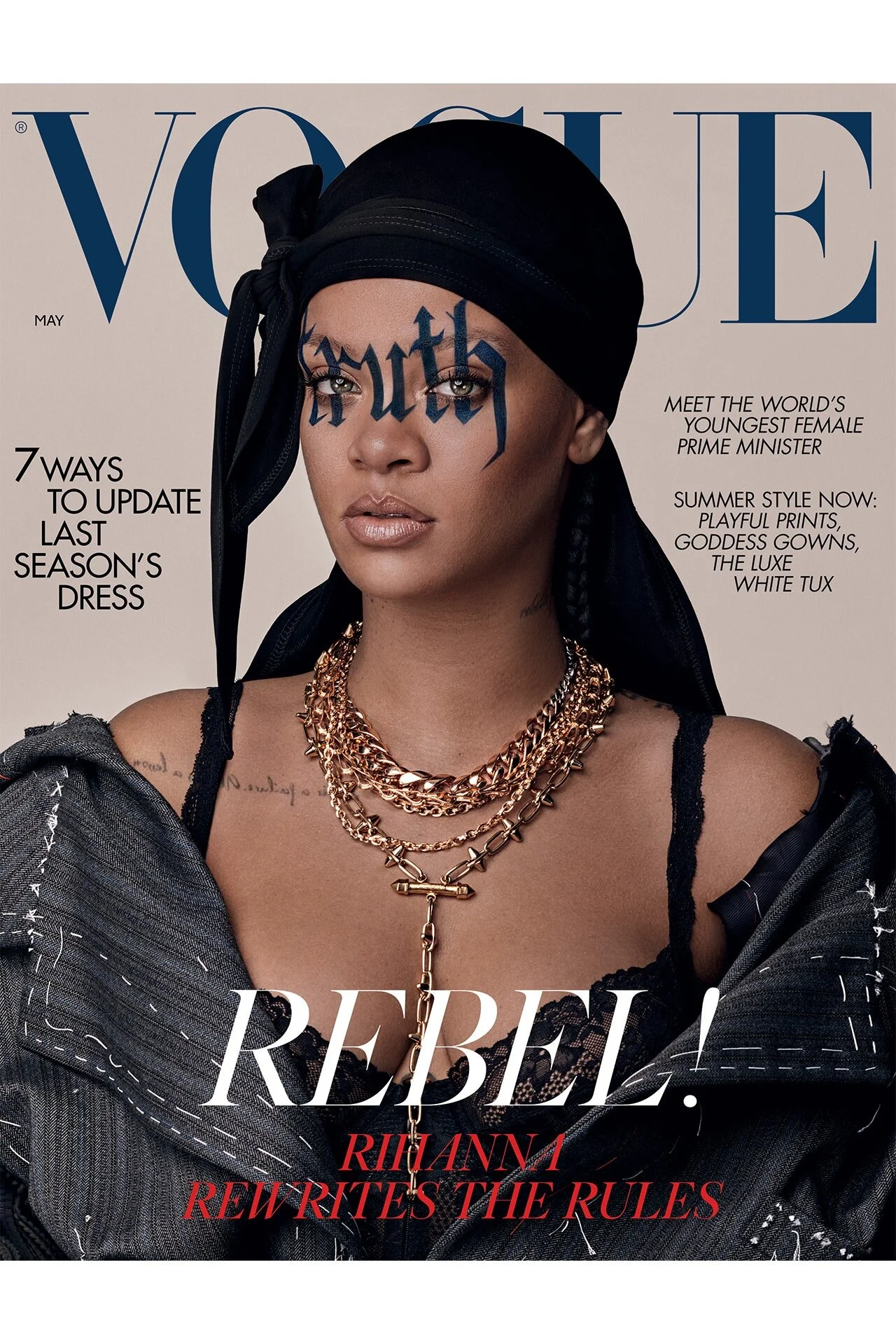
The May 2020 cover, featuring the first durag on the cover of British Vogue. Photographed by Steven Klein
Authenticity. - Black representation in high-end fashion had been scarce in the likes of Ad campaigns and runways up until this point. Traditionally, dark-tanned models have been used to depict outright Black culture. It wasn’t until just last year that the male model and superstar Alton Mason became the first Black male model to walk Chanel. And only just this year do we see Rihanna on the Cover of British Vogue with a durag, which for a long time has had very negative connotations when really it has only been a staple in black culture since forever and deemed a fashion statement by some of Harlem’s most iconic figures. Most industry players know certain markers give rise to a revolution, and mostly a select group of innovative icons get the opportunity to step in and help create an authentic representation of Black Culture within a luxury context. Fashion Market Assistant at The Doe, Kayla Rolon, a 4th-year student at FIT and a New York Native says this upon seeing the Cover of British Vogue:
“At this time in the industry, I believe times have changed. I finally feel represented … I appreciate British Vogue in introducing the real street style and crossing [the durag] over to High Fashion. The black and Afro-Latin communities have inspired fashion for decades and [have] rarely been recognized for our own culture.”
Sharing similar sentiments, New York City-based Celebrity Fashion Stylist and Editor Avon Dorsey, whose clients include some of entertainment’s most stylish men in the likes of Rae Sremmurd and Quincy Brown as well as high-end shoe designer Christian Louboutin says:
"Seeing Rihanna on the cover of any major fashion magazine symbolizes that she has indeed become a global fashion icon, and it gives hope to Brown and Black girls that they too can become entrepreneurs and see themselves in her image. Most recently, she appeared on the cover of British Vogue wearing a durag, a hair accessory that is keenly noted as being a 'Black' thing- specifically for Black male hair upkeep. To see du-rags make their way out of Black homes and onto fashion runways and magazine covers (either worn by Rihanna for British Vogue, Solange at the MET Gala, or the cool boy-next-door), proves that Black culture has consistently made waves with its hair, fashion and beauty trends continuing to trickle-up through society."
Truly Harlem’s A$AP Mob has broken major barriers of the sort for the Black Community. A$AP Bari, also known as Jabari Shelton, infiltrated the world of street style with the creation of his brand, VLONE. The brand took off due to the fact that it was not simply just a clothing line, but branded itself around being a real lifestyle. A lifestyle that can be summarized by the mantra, “Live alone, die alone.” With hoodies being sold at an entry point of $350.00 USD and garnering a cult following, VLONE makes a powerful statement and is a lifestyle that many young people can relate to. In a conversation with Highsnobiety, a mainstream culture-driven platform, Bari reflects on what it meant to grow up in Harlem and how although he was surrounded by his crew and family members he always felt as if he was embarking on his journey of life, essentially, alone. “What I do is taking Harlem and bringing it elsewhere,” Bari told Highsnobiety. He certainly has done so with high-profile collaborations with Virgil Abloh’s Off White and Nike.
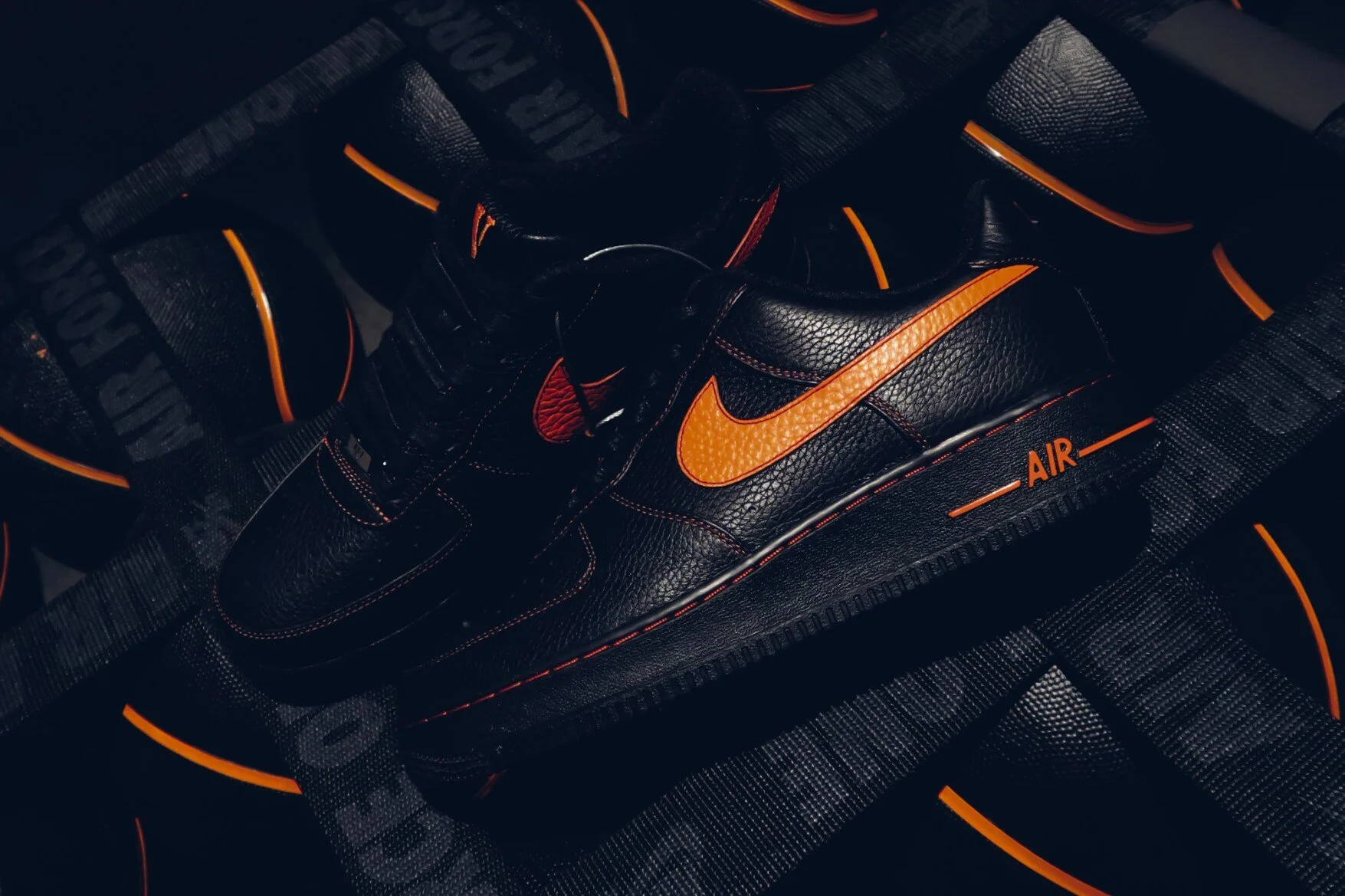
VLONE x NIKE via HypeBeast
Push Product, an online fashion business analysis company, designed a model that VLONE has used in establishing their brand. The steps are: evolve your heritage, be an individual, inspiration is a cycle, a success will lead to failure, while failure leads to insight. Moe Dot, a young West African and Harlem native, seems to be following this business model with the creation of his brand that is known as Straight Out of the Motherland. This brand highlights what it means to be an African living in New York. It inspires immigrants to take pride in where they come from and put Africa on the map in terms of street style. The sweatshirts that come in a variety of vibrant colors has the outline of the diverse continent printed on the front of it.
“Harlem kids learn fashion and flash before they learn the alphabet,” says Push Product. This is evident in its refusal of becoming irrelevant. Harlem is a model of the seismic shift in the planet of fashion although it is only 1.4 square miles. 100 years later we are still witnessing its powerful effect in terms of expression, art, and style. James Sanders, New York City-based Celebrity Fashion Stylist and Editor for BuzzFeed, Revolt TV, and black representation activist says:
“Black Culture will continue to influence street style as it fully transitions into high fashion. Truthfully, all of fashion is recycled. Black style and culture - things we do naturally for one reason or another, will always present itself as an unsung (or unsewn) trend in high fashion. It's what female slaves did on plantations with hats made of straw and feathers (and now we praise french milliner Philip Treacy), or, strides in black hair that don't become popular until a Kardashian wears it. Black culture will always be the true influencer of culture because when you look at it, black culture is American mainstream culture.”
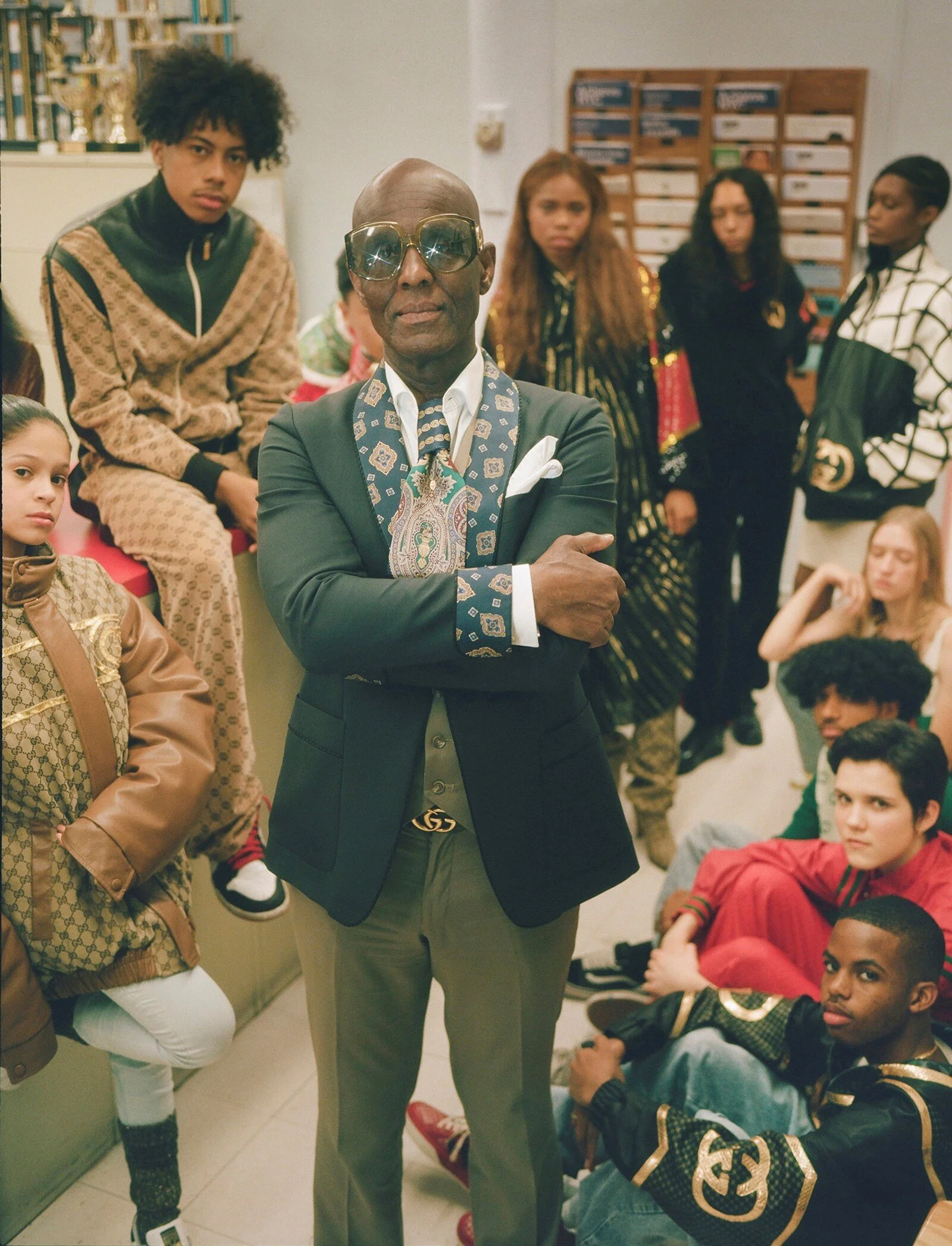
Long live Harlem. - If one who has previously celebrated Harlem’s rich history and influence were to walk down the streets today, panic may overcome them. The sight of the blatant gentrification of Harlem gives the impression that along with the dwindling African American community, the infamous Harlem culture may also be discarded. While some may see progression and hope: Dapper Dan’s life can be used as a model for long term success. Being a long-standing staple and influential member of the Harlem community. In 2018, Gucci launched a collaboration with the fashion icon to create not only a GUCCI x DAPPER DAN capsule collection but a multi-million dollar atelier right in the heart of Harlem. “If you borrow, you have to make sure that everybody is involved,” Day told the New York Times.
If nothing remains, its fashion is forever. Harlem alone encapsulates Black representation in fashion from various parts of the world. While Harlem’s influence is mentioned only briefly in young students’ history books, any true student of anything under a creative belt will experience a moment of fixation with Harlem and Its irreplaceable mystique that cannot be replicated, like a lucky experiment. The world will always be receptive to anything to come out of Harlem, mainstream media all over the world are looking at its defining culture with a magnifying glass. Ode, Harlem to the world.
Edited by Janet Igah
Special thanks to Kayla Rolon, Avon Dorsey, and James Sanders
Additional Resources: