
Power Generation: The Triumph of the Black Lives Matter Movement
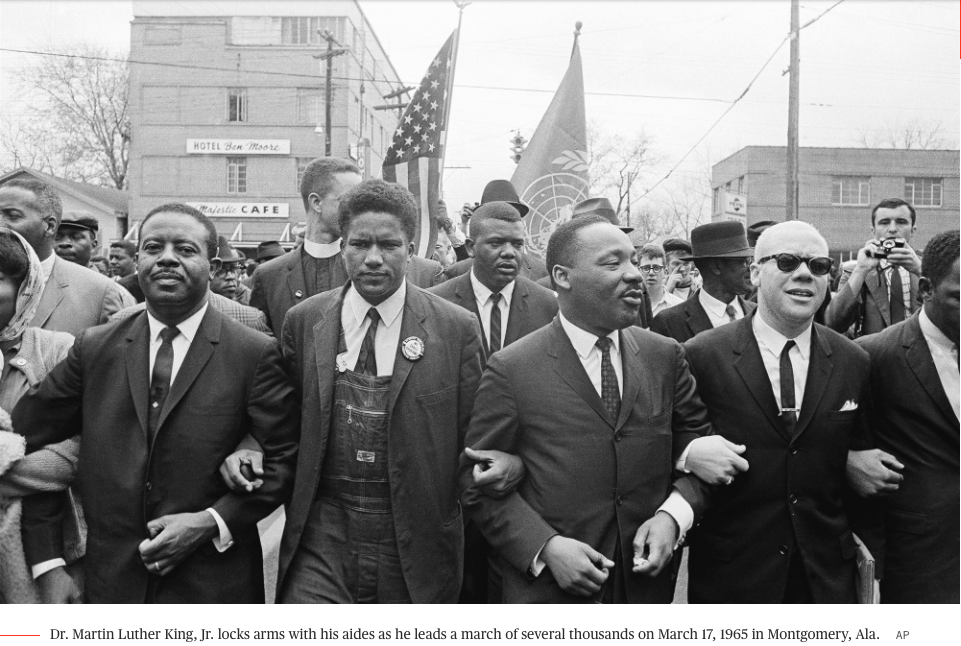
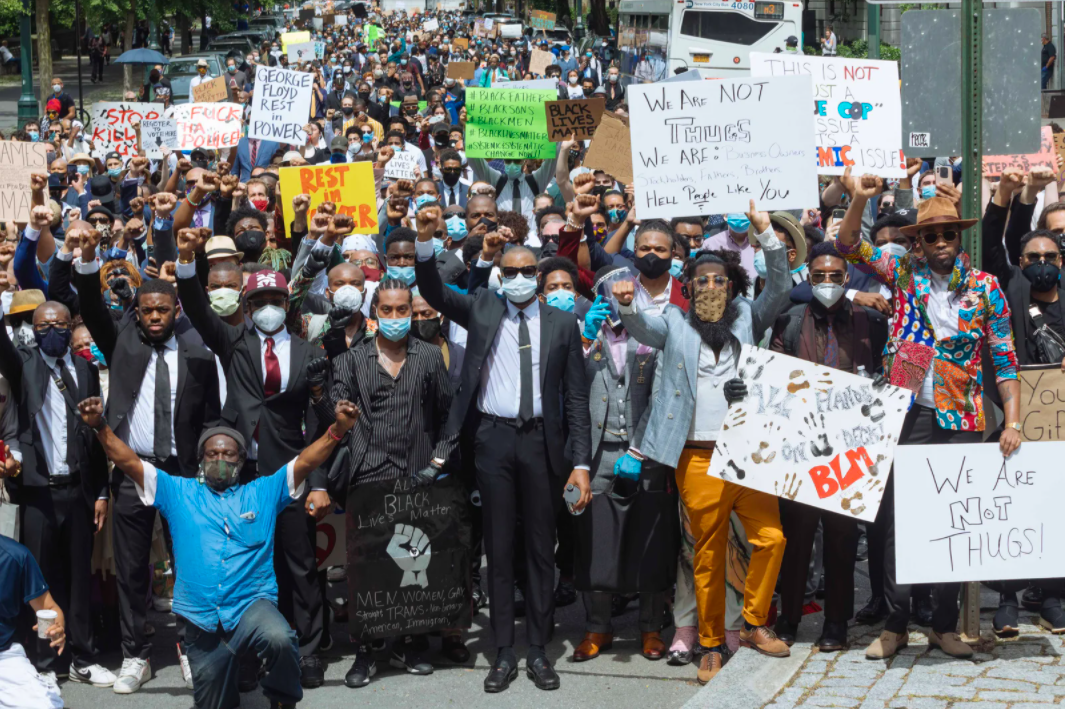
The movement of the 1960s Civil Rights movement paved the way for more people of color to have a ‘seat at the table.’ Although the job is still not done, we can see the ones who did make it to the top, have influenced millions, and are using their voices. It is 2020 and the Black designers, artists, writers, comedians, and actors have a voice that they are utilizing in strengthening this movement. Hence, in the 1960s the idea of even getting there was a crime and your life was on the line. As we repeat again, history is repeating itself but now there are more people of color in power that strengthens the movement to succeed.
Esquire resurfaced an interview with American novelist, playwright, essayist, poet, and activist, James Baldwin in 1968 after Martin Luther King Jr. was assassinated. In his interview, he expresses how violence the streets, how people of color are not part of unions, how messed up the education system is, and lacks in progressing people of color towards success. After close observation, the Civil Rights movement of the 60s created an open door for future generations to have an opportunity to learn and grow. Today, one can observe there are many things that are still the same. As the Civil Rights Movement of 2020 strengthens in its movement their many voices are heard. In vast measures, we have Black politicians taking a stand and initiating bills to change the way police officers are often protected after committing murder. Following with celebrities utilizing their large audience and influences to take a stand in the moment, whether it be owning land, writing letters to powerful people in Office, or organizing petitions to push for reform. One can acknowledge that the movement in the 60s developed a generation of courage, strength, and power. The generation of today has shown their influence in their communities and continual presence. Today we televise the movement and show the world that communities are not just protesting but creating PRESENCE in their stance. The generation of artists today have learned and educated themselves from the silenced communities of the 60s that were afraid and often murdered. Yes, there are a lot of repetitions from the past however, through media and power of influences the Civil Rights of 2020 has become a global emblem.
OUR PRESENCE
“I often come back to this Michelle Obama quote; she said, “So many of us have gotten ourselves at the table, but we’re still too grateful to be at the table to really shake it up.” And it is so true! You can be in a room, and it’s like, do I say something? Am I going to look like I am campaigning for us? But, my whole philosophy is, if I don’t who will.”
Advertisement
Story continues after scrolling past this Ad

Furthermore, Beyoncé writes a moving letter to Kentucky's Attorney General Demanding Justice for Breonna Taylor. She writes in her letter the following, “ Don’t let this case fall into the pattern of no action after a terrible tragedy. With every death of a Black person at the hands of the police, there are two real tragedies: the death itself, and the inaction and delays that follow it. This is the chance to end that pattern. Take swift and decisive action in charging the officers. The next months cannot look like the last three.” Beyoncé has a big cultural presence throughout the world and within the Black community with an Instagram following of 149 million. Showing her strength and courage in what’s happening teaches one to join the movement even it does not apply to them and learn along the way.
Then we have streaming sites such as Netflix creating a Black Lives Matter Category. Some of the many films that they provide are documentaries educating people on systematic racism such as films like “13th”, others on historical Civil Rights Leaders such as Malcolm X, politicians during the 60s Civil Rights movement such as Bobby Kennedy. This is important, anyone who does not know or understand the movement can have a glimpse of the past and see why the future is NOW. Actresses such as Angelina Jolie voices out her concern for her children as she adopted an African American girl. In her interview with Harpers Bazaar she expresses the following “ A system that protects me but might not protect my daughter—or any other man, woman or child in our country based on skin color—is intolerable. We need to progress beyond sympathy and good intentions to laws and policies that actually address structural racism and impunity. Ending abuses in policing is just the start. It goes far beyond that, to all aspects of society, from our education system to our politics.”
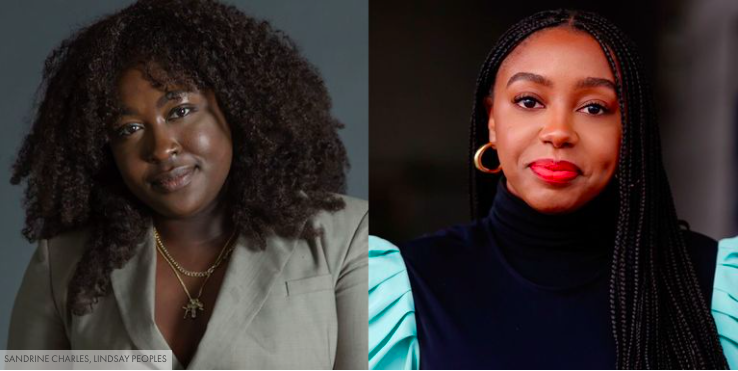
In the Fashion Industry, the Black community is utilizing their voices stronger than ever. Lindsay Peoples Wagner, the Editor-in-Chief of Teen Vogue, and Sandrine Charles, the owner of Sandrine Charles Consulting, to address this call for change by curating The Black in Fashion Council. The platform’s mission is to ensure equal opportunity to black people in fashion and beauty spaces. They have support from The Human Rights Campaign to keep track of the equality index score that will provide benchmarking around corporate policies and practices. Which will ensure that no voice shall be unheard or discouraged. Peoples Wagner and Charles also have the support of the Council of Fashion Designers of America (CFDA), which is a not-for-profit trade association founded in 1962, whose membership consists of 477 of America’s foremost womenswear, menswear, jewelry and accessory designers. Their mission is to strengthen the impact of American fashion in the global economy. They too, have made the initiative to better strategize ways to battle systematic inequality by creating programs for young Black creatives in the fashion industry via an in-house employment program for Black talent, a mentorship and internship program, and the creation of a diversity and inclusion training program for members.
Why is this important?
In a 2018 article Everywhere and Nowhere What it’s really like to be Black and work in fashion, focusing on not having enough Black people participating in important roles in the industry the article states only 15 of the 495 CFDA members are Black, and only ten Black designers have ever won a CFDA or CFDA/Vogue Fashion Fund award. One of the most popular and financially successful Black designers, Tracy Reese, has never received a single nod. Less than 10 percent of the 146 fashion designers who showed at the major fall 2018 shows for New York Fashion Week were Black, and only 1,173 Black models out of 7,608 model castings walked. Subsequently, those leaders such as Lindsay Peoples Wagner and Sandrine Charles are creating new doors and new paths for the Black community to prevail from systematic oppression. Granted, there is plenty of work to still be done, but we need to start somewhere. Utilizing our voices and successes shows the next generation of Black creatives that there is room for growth. And the ones who have paved the way for them will be known as the POWER GENERATION.
The Key to prevailing is our movement is by listening to Black People. Use Your Privilege, and get involved!
“It wasn’t until I was nominated for a CFDA Fashion Award in 2013 that I realized I was the first black woman to be nominated in that category. When you think about how many years the CFDA has been around, it just seems insane to look back and realize there are very few people of color around you in the same industry.”
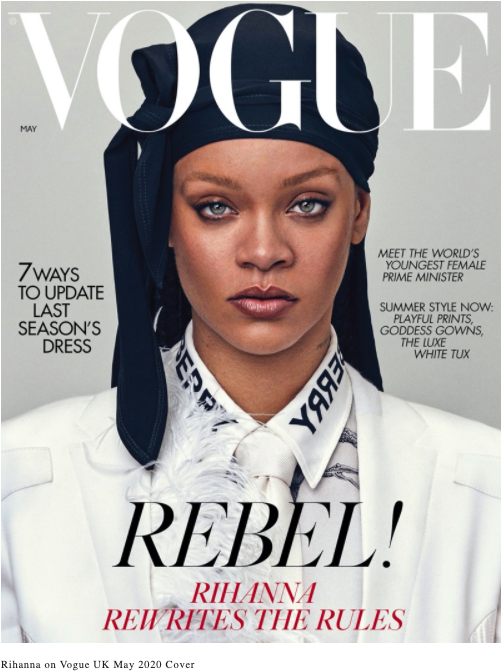
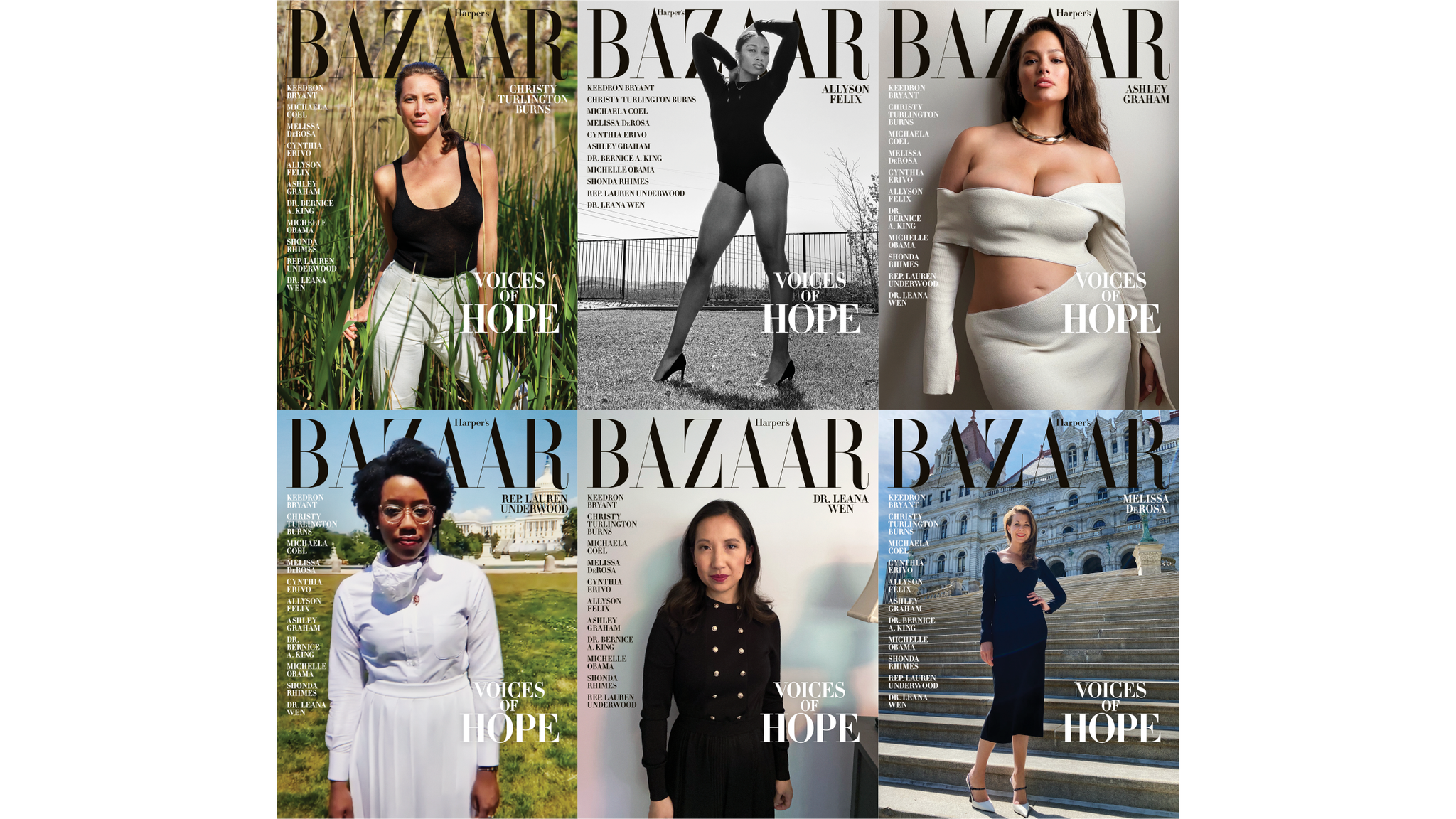
Cover Photo: Delphine Diallo
- Report By Kayla Rolon